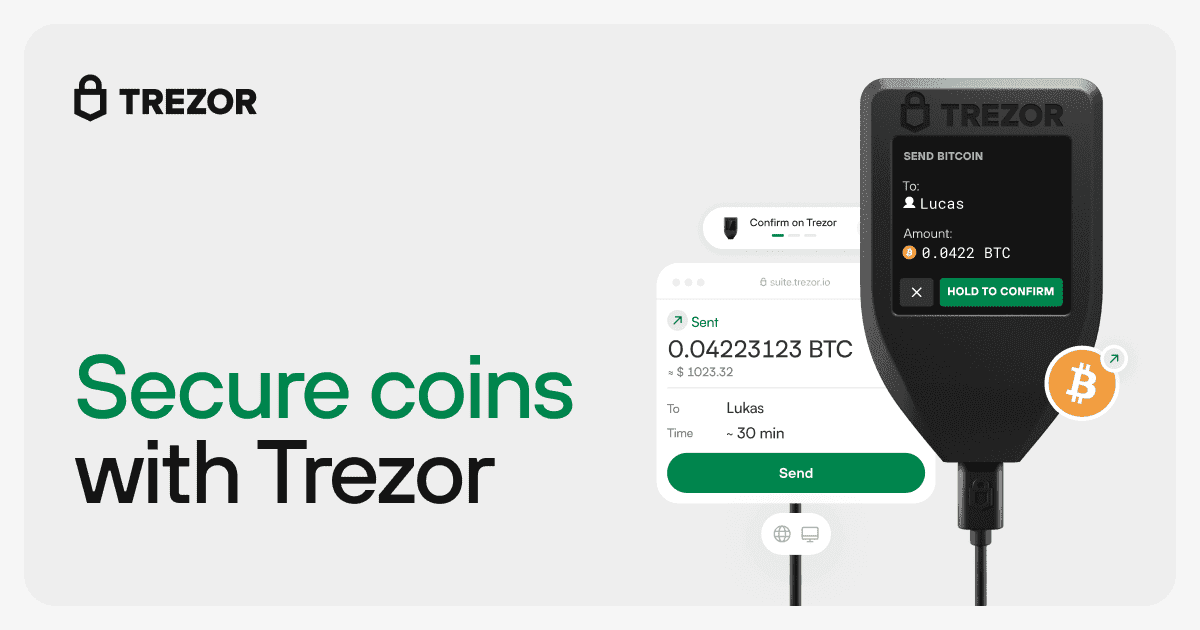
Trezor.io/Start: Your Complete Guide to Getting Started with Trezor Hardware Wallets
In the world of cryptocurrency, security is paramount. The rise of hacks, phishing attacks, and exchange collapses has highlighted one simple truth: if you don’t control your private keys, you don’t fully control your crypto. This is where Trezor hardware wallets come in. Designed by SatoshiLabs, Trezor wallets provide users with a secure, offline way to store and manage cryptocurrency.
For first-time users, the official starting point is trezor.io/start. This dedicated webpage serves as a step-by-step guide to set up your Trezor device safely, initialize your wallet, and begin managing your digital assets securely. Whether you are new to crypto or an experienced investor moving to self-custody, understanding the Trezor setup process is essential for protecting your funds.
In this guide, we will explore everything about trezor.io/start: what it is, why it matters, how to use it, the setup process, supported cryptocurrencies, security features, best practices, and advanced usage tips.
What Is Trezor.io/Start?
Trezor.io/start is the official starting point for all Trezor hardware wallet users. When you buy a Trezor device—either the Trezor Model One or the Trezor Model T—this website guides you through the process of:
Verifying the authenticity of your Trezor device
Installing the Trezor Suite software
Initializing your hardware wallet safely
Creating a recovery seed for backup
Managing cryptocurrencies
The page is designed for both beginners and advanced users, combining clarity, security guidance, and practical instructions in one place.
Why Use Trezor.io/Start?
Using trezor.io/start ensures that your hardware wallet is set up correctly and securely. Some of the main reasons to follow this official guide include:
Authenticity Verification: Avoid counterfeit devices by checking your Trezor box and device against official instructions.
Safe Installation: Download Trezor Suite or the web interface from official sources only.
Secure Initialization: The setup process guides you to create a recovery seed offline, protecting against phishing attacks.
Step-by-Step Instructions: Even beginners can set up a wallet without prior technical knowledge.
Compliance with Best Practices: Trezor.io/start ensures users follow industry-standard security procedures.
Skipping these steps or using unofficial guides increases the risk of funds being compromised, especially for first-time users.
Step-by-Step Guide: Using Trezor.io/Start
Below is a detailed walkthrough of the steps outlined at trezor.io/start.
1. Verify the Package and Device
Before opening your Trezor device, check for tamper-evident seals and ensure the packaging matches official Trezor products. Any signs of tampering may indicate a compromised device, which should never be used.
2. Visit Trezor.io/Start
Go to trezor.io/start from a secure computer or smartphone. Avoid third-party links to prevent phishing attacks.
3. Download Trezor Suite or Use Web Interface
Trezor Suite is the official desktop app, available for Windows, macOS, and Linux, while the web version works in supported browsers. Both provide the interface to manage your wallet, perform transactions, and monitor your portfolio.
Desktop Suite: Ideal for users who want offline control and full functionality.
Web Interface: Useful for quick access without installation but still requires a secure browser.
Always verify the digital signature of the download to ensure it hasn’t been tampered with.
4. Connect Your Trezor Device
Connect your Trezor hardware wallet to your computer using the included USB cable. Some models may also support USB-C. The device will power on and display a welcome message.
At this stage, the Trezor Suite or web interface will detect the device and guide you through initialization.
5. Initialize Your Wallet
You have two options during initialization:
Create a New Wallet: Generate a new set of private keys and a recovery seed.
Recover Wallet: Restore an existing wallet using a recovery seed from a previous device.
For most users, creating a new wallet is the standard option.
6. Write Down Your Recovery Seed
The recovery seed is a 12- or 24-word phrase that allows you to restore your funds if the device is lost, stolen, or damaged.
Key tips for storing your recovery seed:
Write it physically on paper, not digitally.
Store in a secure location away from sunlight, water, or fire.
Never share your recovery seed with anyone.
The Trezor device will display the seed word by word, ensuring it is never exposed online.
7. Set a PIN Code
Next, set a PIN code on your Trezor. This adds an additional layer of protection in case the device is stolen. Each digit entered is randomized on the screen to prevent keylogging attacks.
8. Optional Passphrase
Trezor offers an optional passphrase feature, which creates a “hidden wallet” in addition to the standard wallet. This provides extra security and privacy, particularly for users storing significant amounts of cryptocurrency.
9. Firmware Update
If your device does not already have the latest firmware, Trezor Suite will guide you through updating it. Firmware updates include security patches and new features, so it is important to apply them promptly.
10. Add Your First Cryptocurrency
Once your wallet is initialized, you can start receiving cryptocurrency. Trezor Suite allows you to:
Generate receiving addresses
Send cryptocurrency
Swap or exchange coins
Track your portfolio
Supported cryptocurrencies include Bitcoin, Ethereum, Litecoin, Bitcoin Cash, and hundreds of ERC-20 tokens.
Security Features Highlighted on Trezor.io/Start
Trezor.io/start emphasizes strong security practices to protect your funds:
Hardware Wallet Security: Private keys never leave the device.
Offline Signing: Transactions are signed offline, preventing exposure to malware.
Recovery Seed: A backup seed allows wallet recovery if the device is lost.
PIN and Passphrase: Multi-layered protection ensures only authorized access.
Firmware Verification: All updates are cryptographically verified.
Following these instructions ensures your wallet is secure against the most common cryptocurrency threats.
Supported Cryptocurrencies and Tokens
Trezor devices connected through trezor.io/start support a wide range of assets, including:
Bitcoin (BTC)
Ethereum (ETH)
Litecoin (LTC)
Bitcoin Cash (BCH)
Cardano (ADA)
Ripple (XRP)
Dogecoin (DOGE)
Stablecoins (USDT, USDC)
Thousands of ERC-20 tokens
For unsupported coins, Trezor Suite can integrate with compatible third-party wallets while maintaining hardware-level security.
Best Practices When Using Trezor.io/Start
Always access the official URL: trezor.io/start
Never download software from unofficial websites
Keep your recovery seed offline and private
Set a strong PIN and consider using the passphrase feature
Verify device authenticity before use
Keep firmware and software updated regularly
Avoid using public or shared computers for setup
Following these steps ensures you maintain full control over your cryptocurrency securely.
Why Trezor.io/Start Matters
Many new cryptocurrency users make the mistake of skipping setup guidance or relying on unofficial tutorials. Trezor.io/start:
Ensures proper and secure initialization of your hardware wallet
Reduces the risk of phishing and malware attacks
Provides step-by-step instructions for safe cryptocurrency management
Helps users understand the importance of private key ownership
By starting at the official website, users gain confidence and peace of mind that their assets are protected.
Advanced Features Accessible After Setup
After completing setup via trezor.io/start, users can access advanced features such as:
Multi-account management: Organize multiple wallets under the same device
Coin control for Bitcoin: Manage individual transaction outputs
Custom transaction fees: Optimize transaction speed and cost
Exchange and swap integrations: Trade directly within Trezor Suite without using a custodial exchange
Hidden wallets via passphrase: Create multiple hidden wallets for enhanced privacy
These tools give users greater control, security, and flexibility over their cryptocurrency holdings.
Conclusion
Trezor.io/start is the official gateway for setting up Trezor hardware wallets securely. By following the step-by-step instructions on this page, users can:
Verify the authenticity of their device
Install Trezor Suite safely
Initialize a secure wallet
Generate and protect a recovery seed
Manage multiple cryptocurrencies confidently
Whether you are a beginner or an experienced investor, trezor.io/start ensures that your hardware wallet setup follows industry best practices. This foundation is critical for protecting digital assets from theft, loss, or compromise.
In the world of cryptocurrency, self-custody is the ultimate safeguard, and Trezor.io/start is the first step toward achieving complete control over your crypto.