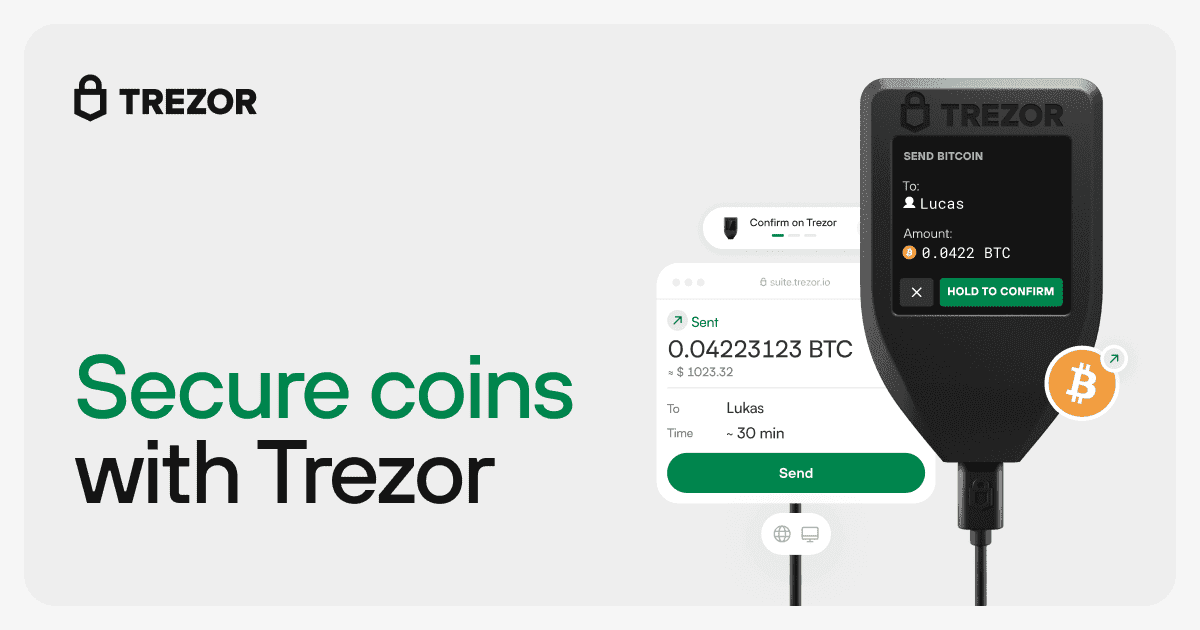
Trezor.io/Start: The Essential Guide to Securing Your Cryptocurrency
Cryptocurrency security begins with self-custody. Unlike traditional banking, where recovery is possible if an account is compromised, crypto ownership depends entirely on private keys. Lose them, and your funds are gone. This is why Trezor hardware wallets exist—offering offline, secure storage for your digital assets.
For anyone new to Trezor, the official starting point is trezor.io/start. This page is a step-by-step guide for safely setting up a Trezor device, creating a recovery seed, and starting to manage cryptocurrency with confidence. Whether you are completely new to crypto or transitioning from custodial wallets, understanding how to properly use Trezor is essential.
In this guide, we cover everything about trezor.io/start: its purpose, setup process, security features, supported cryptocurrencies, best practices, and advanced options.
What Is Trezor.io/Start?
Trezor.io/start is the official onboarding portal for Trezor hardware wallets. It provides clear instructions to:
Verify the authenticity of your Trezor device
Download and install Trezor Suite software
Initialize your wallet securely
Generate and store your recovery seed
Begin managing cryptocurrencies safely
The portal is designed for users of all levels, combining user-friendly guidance with industry-standard security practices.
Why Starting at Trezor.io/Start Is Critical
Using the official guide ensures that your Trezor wallet is set up correctly and securely. Key reasons to follow this path include:
Device Authenticity Verification: Prevents use of counterfeit hardware.
Safe Software Installation: Ensures you download Trezor Suite from trusted sources.
Secure Wallet Initialization: Guides creation of a recovery seed offline.
Step-by-Step Guidance: Simplifies setup for beginners while offering advanced options for experienced users.
Minimizing Risk: Reduces exposure to phishing, malware, and other crypto-specific attacks.
Skipping the official guide or relying on third-party tutorials increases the risk of losing your funds.
Step-by-Step Setup Process via Trezor.io/Start
1. Verify Your Device
Before using your Trezor wallet, inspect the packaging and device carefully. Look for tamper-evident seals and ensure the packaging matches official Trezor specifications. Any sign of tampering may indicate a compromised device.
2. Access the Official Website
Open a secure browser and navigate to trezor.io/start. Always ensure you are visiting the official domain. Avoid links from emails or third-party sources, which could be phishing attempts.
3. Download Trezor Suite
Trezor Suite is the software companion for your hardware wallet. It is available for desktop (Windows, macOS, Linux) and also as a web-based interface.
Desktop Suite: Offers offline transaction signing and full functionality.
Web Interface: Provides convenient access without installation but still requires a secure browser.
Always verify the digital signature of downloads to ensure authenticity.
4. Connect Your Trezor Wallet
Using the included USB cable, connect your Trezor device to your computer. The device will power on and display a welcome message.
The Suite or web interface will detect your wallet and guide you through initialization.
5. Initialize the Wallet
You have two main options during initialization:
Create a New Wallet: Generates new private keys and a recovery seed.
Recover Existing Wallet: Restores funds using an existing recovery seed.
For most users, creating a new wallet is recommended.
6. Securely Record Your Recovery Seed
The recovery seed is a 12- or 24-word phrase that allows you to restore your wallet if the device is lost, stolen, or damaged.
Best practices for storing your recovery seed:
Write it on paper or metal, never digitally.
Store it in a secure, offline location.
Never share it with anyone.
Your Trezor device will display each word individually, ensuring your seed never appears online.
7. Set Up a PIN
The PIN code adds a layer of protection in case your device is lost or stolen. The keypad on Trezor devices is randomized for every PIN entry to prevent keylogging attacks.
8. Optional Passphrase for Hidden Wallets
Trezor supports an optional passphrase feature, allowing creation of hidden wallets. This provides extra privacy and security, especially for users storing significant crypto assets.
9. Update Firmware
Trezor Suite will prompt you to update your device if needed. Firmware updates include security enhancements and new features. Only install updates via the official Suite to avoid malicious firmware.
10. Add Cryptocurrency
Once setup is complete, you can begin managing cryptocurrencies. Trezor Suite supports:
Sending and receiving funds
Tracking portfolio value
Swapping or exchanging coins
Organizing multiple accounts
Supported assets include Bitcoin, Ethereum, Litecoin, Bitcoin Cash, Cardano, and thousands of ERC-20 tokens.
Security Features Emphasized on Trezor.io/Start
Trezor.io/start highlights several critical security features:
Hardware-based key storage: Private keys never leave the device.
Offline transaction signing: Prevents exposure to malware or hacks.
Recovery seed: Provides a secure backup method.
PIN and optional passphrase: Adds multiple layers of protection.
Cryptographically verified firmware: Ensures device integrity.
Following these guidelines guarantees your crypto is protected against common threats.
Supported Cryptocurrencies
Trezor wallets support a wide range of cryptocurrencies and tokens, including:
Bitcoin (BTC)
Ethereum (ETH)
Litecoin (LTC)
Bitcoin Cash (BCH)
Cardano (ADA)
Ripple (XRP)
Dogecoin (DOGE)
Stablecoins (USDT, USDC)
Thousands of ERC-20 tokens
For unsupported assets, Trezor can integrate with third-party wallets while retaining hardware-level security.
Best Practices for Using Trezor.io/Start
Always access the official website: trezor.io/start
Never download software from third-party websites
Keep your recovery seed offline and secure
Set a strong PIN and consider using a passphrase
Verify your device’s authenticity before use
Regularly update firmware and Trezor Suite
Avoid using public or shared computers for setup
Adhering to these best practices ensures maximum security and peace of mind.
Advanced Features Accessible After Setup
After completing setup via Trezor.io/start, users can explore advanced tools such as:
Multiple accounts and wallets: Organize holdings efficiently.
Coin control for Bitcoin: Manage individual transaction outputs.
Custom transaction fees: Optimize for speed or cost.
Integrated swaps and exchanges: Trade without moving funds to centralized platforms.
Hidden wallets with passphrases: Add an extra layer of privacy.
These features provide flexibility and control for experienced cryptocurrency users.
Why Trezor.io/Start Matters
Many cryptocurrency beginners make the mistake of skipping official guides or relying on third-party instructions. Trezor.io/start ensures:
Proper device setup
Correct wallet initialization
Safe creation and storage of recovery seeds
Avoidance of phishing and malware attacks
Clear understanding of self-custody principles
Using the official guide reduces risks and builds confidence in securely managing your assets.
Conclusion
Trezor.io/start is more than just a setup page—it is a comprehensive roadmap for cryptocurrency security. By following the steps outlined on this portal, users can:
Verify their device’s authenticity
Install Trezor Suite securely
Initialize a new wallet or recover an existing one
Create and protect a recovery seed
Begin managing a wide variety of cryptocurrencies